What Is the Downside of Selling Your Life Insurance Policy in Lompoc, CA?
Selling a policy can put money in your hands now, but it closes doors that are hard to open again later.
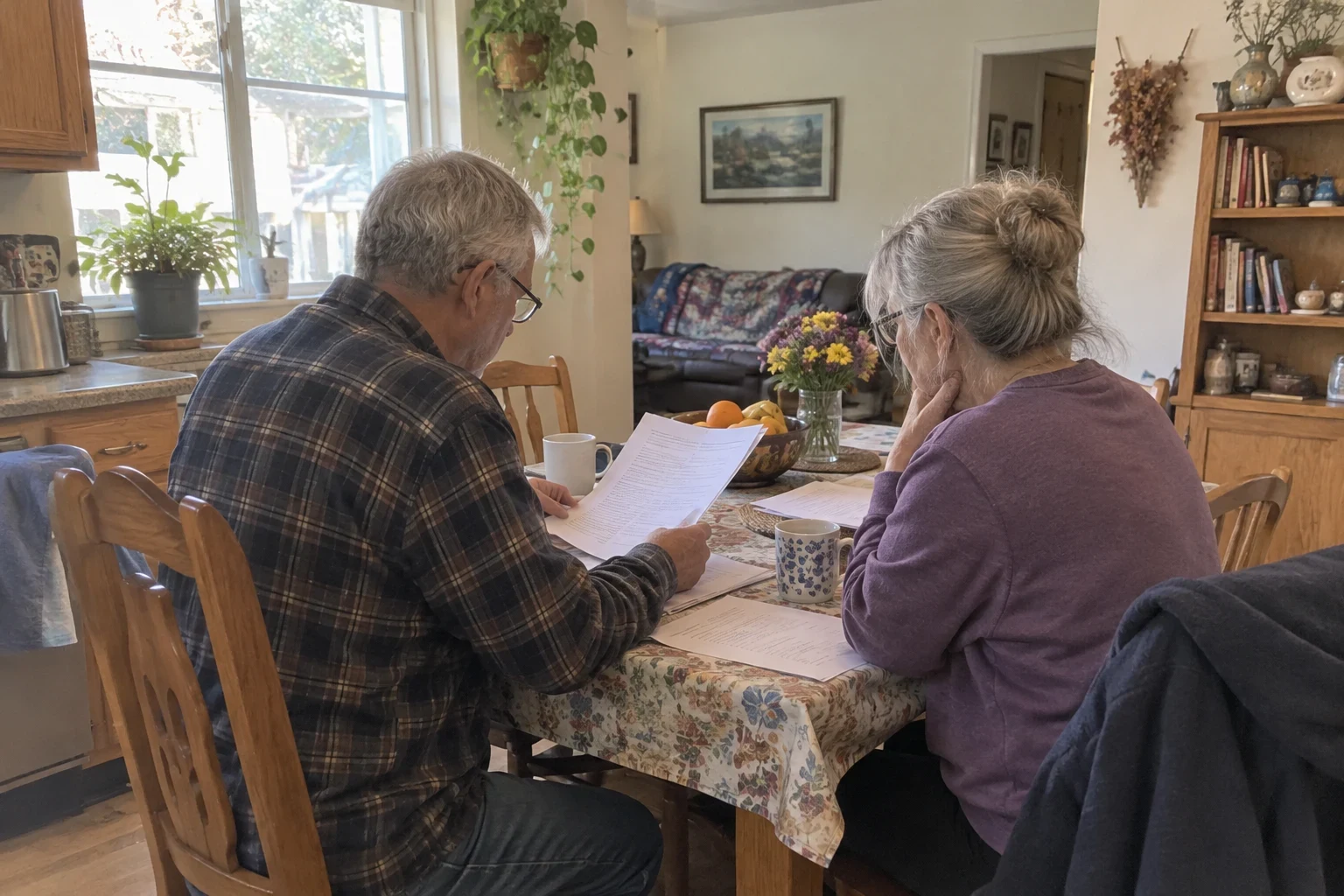
What is the downside of selling your life insurance policy?
The main downside is that the people you meant to protect lose the payout. A buyer takes over the policy, keeps paying the premiums and collects when you die. The offer is usually well below the amount the policy pays out, and any new coverage later is priced on your age and health then.
What actually happens when you sell a policy
You sign the policy over to a buyer. The buyer becomes the owner, names itself as the beneficiary and takes over the premiums. When you die, the payout goes to the buyer, not to your family.
The buyer is paying you today for money it expects to collect later. It also has to cover the premiums for as long as you live. That is why the offer usually comes in well under the amount the policy would pay out.
Once the sale closes, the policy is no longer yours. You cannot change the beneficiary, borrow against it or take it back.
The downsides people run into most
Some of these show up right away. Others only matter years later, when it is too late to change course.
- Your spouse, children or whoever you named no longer get anything from that policy.
- The cash you receive is usually a fraction of what the policy would have paid out.
- Buyers generally ask for your medical records, and many check in on your health over the years.
- If you want coverage again, it is priced on your age and health at that time, and it may cost more or cover less.
- Funeral costs and any debts you leave behind fall back on your family.
- The sale is final once it closes, so a decision made in a tight month stays with you.
Find the real reason before you sell
Most people who think about selling have one specific problem. The premiums got hard to keep up with. The kids are grown and the original amount feels like too much. Or they need cash for something that cannot wait. Each of those problems has more than one answer, and selling is only one of them.
If the premiums are the issue, some policies can be lowered to a smaller amount. If you need money now, some policies that last for life build cash value, a feature of the policy that an agent can explain. If you simply need less coverage, keeping part of it may still cover what matters most.
Getting the cause right first keeps you from giving up the whole policy to fix one part of it. The choice is yours. The agent who contacts you can lay out what your policy and other options allow, so you decide with the full picture.
Keeping funeral costs covered if a larger policy goes
Plenty of people who sell or drop a large policy still want something in place for their funeral. That is what final expense insurance is for. It is a small whole life policy meant to cover funeral costs and a few final bills, so those do not land on your family.
Some final expense policies need no medical exam. Those usually cost more or cover less than a policy with full health questions. The insurance company decides on coverage, price and approval, not us.
If you are weighing a sale, it can help to look at what a smaller policy like this would involve before you sign anything. That way you know what you are giving up and what you could keep.
More questions about selling a policy
- Can a term life policy be sold?
- Sometimes, but it is harder. Buyers mostly look for policies that last for life, so a term policy with only a few years left often draws little interest.
- Will a buyer see my health information?
- Generally yes. Buyers use your medical records to decide what to offer, and many ask to keep checking on your health after the sale.
- Is letting the policy lapse any better than selling it?
- Letting a policy lapse usually means no payout and no cash from the buyer either. What makes sense depends on your policy, so it is worth having an agent walk you through what it allows before you stop paying.
- How do I find out what my own policy allows?
- Start with the policy papers and the insurance company that issued it. You can also answer a few short questions in the form on this page, and an agent follows up to go over your options.
Look at your options before you sell
Answer a few short questions in the form on this page and an agent who covers Lompoc follows up with options that fit what you are trying to solve. It takes about two minutes, and there is no obligation to buy anything.
- Takes about two minutes
- No obligation to buy
- Your details stay private
Free, no obligation
See your coverage options
Six short questions. About two minutes.